11 November 2026
Transitioning from Assisted Living to Memory Care: Timing, Tips, and Talk Tracks
Presented by @alexisdkfz354
Business Name: BeeHive Homes of Albuquerque NM - Assisted Living Facility
Address: 6401 Corona Ave NE, Albuquerque, NM 87113
Phone: (505) 221-6400
BeeHive Homes of Albuquerque NM - Assisted Living Facility
BeeHive Village is a premier Albuquerque Assisted Living facility and the perfect transition from an independent living facility or environment. Our Alzheimer care in Albuquerque, NM is designed to be smaller to create a more intimate atmosphere and to provide a family feel while our residents experience exceptional quality care. Memory loss, dementia and Alzheimer's disease are becoming quite pervasive in our society. Dementia care assisted living in Albuquerque NM offers catered memory care services, attention and medication management, often in a secure dementia assisted living in Albuquerque or nursing home setting. We invite you to come and visit our elder care and feel what truly makes us the next best place to home.
6401 Corona Ave NE, Albuquerque, NM 87113
Business Hours
When a loved one moves into assisted living, the family breathes a little easier. Medications are managed, meals appear on time, and there is assist with bathing, dressing, and the small daily jobs that were falling through the cracks in the house. For numerous households, that stability holds until memory changes accelerate. Then the original plan can start to wobble. Corridor wandering becomes a nighttime pattern. A resident forgets to push the call pendant and attempts to utilize the range. A familiar corridor suddenly looks like a maze, and the front door like an exit to a much better place.
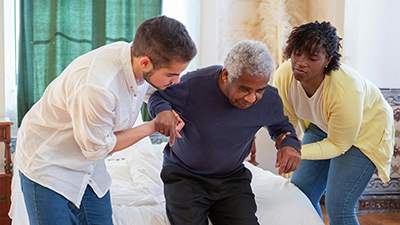
The decision to shift from assisted living to memory care is not just a change of address. It is a change of technique. Memory care is created for people dealing with dementia whose needs are no longer fulfilled by the staffing model, environment, and shows typical of assisted living. Done well, the move reduces threat and distress, and can even improve quality of life. Done late or poorly supported, it can seem like a loss piled on top of loss.
I have supported lots of households through this shift, and the same styles resurface: timing, clarity, and truthful discussion. What follows is a guidebook built around those themes, with useful information and talk tracks that can minimize friction during a tough pivot.
What modifications when care needs shift
The early and middle stages of dementia often in shape inside the assisted living structure. Reminders, cueing, and occasional hands-on aid get the job done. As cognitive impairment deepens, the nature of assistance need to alter. People lose the ability to series jobs, acknowledge risk, and recover from surprises. They may walk with purpose but without location. Sound, clutter, and complicated instructions can feel hostile. Standard assisted living routines, even with caring staff, are not created for this level of cognitive irregularity and behavioral expression.
Memory care programs are developed for that truth. The best ones simplify the environment, embed structured engagement throughout the day, and use smaller sized personnel teams with dementia-specific training. Hallways loop instead of lock residents into dead ends. Exit doors are camouflaged or secured. Activities are hands-on and repetitive by style. Caregivers utilize short, concrete expressions. The goals extend beyond security. They include rhythm, sensory comfort, and maintaining the individual's identity in day-to-day life.
Clear signals that it is time to consider memory care
Here are patterns that, taken together, suggest the current assisted living setting is lacking runway.
- Frequent elopement risk, including exit looking for or tries to leave the building regardless of redirection.
- Escalating habits connected to overstimulation or confusion, such as sundown agitation, nighttime wandering, or striking out during care.
- Care rejections or task breakdowns that continue regardless of cueing, for example repeated failure to follow two-step directions for bathing or toileting.
- Falls, weight-loss, or medication mistakes driven by cognitive decrease, not just physical frailty.
- Unit-wide impact, where the person's needs or habits consistently overwhelm the assisted living staffing design, specifically throughout nights and nights.
No single item on that list requires a relocation. The pattern and trajectory matter more than a picture. When two or 3 of these problems exist most days, and interventions inside assisted living are not working after a few weeks, it is time to assess memory care options.
Assisted living and memory care, in practice
On paper, both settings offer assist with activities of daily living and medication management. In practice, three distinctions usually specify memory care.
First, staffing patterns. While guidelines vary by state, memory care personnel frequently have extra dementia training and a greater caregiver to resident ratio during peak hours. Ratios can vary commonly, from roughly 1 to 6 throughout the day in smaller sized memory care homes to 1 to 12 or more in large neighborhoods. Over night ratios are typically leaner. Ask particularly about nights and weekends, because that is when roaming and sleep disturbances crest.
Second, environment. A good memory care unit makes it simple to do the best thing. Bathrooms are simple to find. Common areas invite purposeful movement, not idle sitting. Visual clutter is decreased. Outdoor yards are enclosed and available without requesting for an escort. Doors to truly hazardous areas are protected. Hormone lighting changes are no treatment, however constant lighting, low glare floors, and quieter dining-room matter more than the majority of households expect.
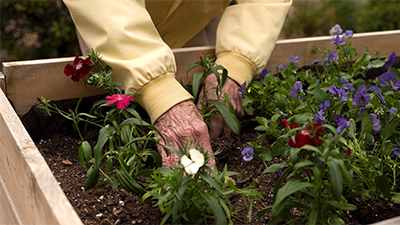
Third, programming and approach. Dementia care is not about filling a calendar. It has to do with predictable anchors and chances for success. Short, duplicating activities are much better than long lectures. Music, folding, sorting, gardening, home jobs, and one-on-one visits work much better than bingo marathons. Care strategies consist of movement, hydration, and micro-rests to prevent afternoon spikes in confusion. The language shifts too. Staff prevent quizzing. They confirm emotion, then reroute and engage.
Getting the timing right
The most common remorse I hear is, we waited too long. Families hope that another medication modify or a few more hours of private duty aid will stabilize things. In some cases that works for a season. In other cases, delay increases danger. 2 useful timing markers help:
-
Safety episodes that need emergency services. If the last 90 days consist of 2 or more 911 calls for wandering, falls, or habits, the present setting is not enough.
-
Escalating worker strain. When assisted living staff are routinely calling you to come sit with your loved one for numerous hours so they can handle the rest of the unit, the scale has actually tipped.
There are also external triggers. Healthcare facilities and rehab centers typically push for a higher level of care after a fall or infection that unmasked cognitive decrease. Those discharge windows are busy. If possible, start evaluating memory care homes while your loved one is still at assisted living. Even two afternoons of touring and discussion can save a scramble.
The medical and legal background you need to know
Memory care admission is not only about observed need. The majority of neighborhoods require paperwork. Anticipate the following:
-
A physician's report or current history and physical, normally within 30 to 60 days, that consists of a dementia diagnosis or a minimum of a description of cognitive impairment.
-
A medication list and any recent modifications, including does for psychotropic drugs. Memory care groups will ask about side effects such as drowsiness, falls, or appetite changes.
-
An evaluation of decision-making capability. Capability is task specific and can change. An individual might still be able to select a healthcare proxy while doing not have capability to grant a complex treatment plan. If your loved one lacks capability, the community will require the durable power of lawyer for healthcare and finance, or documentation of guardianship or conservatorship where required.
-
Advance directives or a POLST if one exists. Memory care groups take advantage of clarity on hospitalization preferences.
From the assisted living side, understand the transfer procedure. Many states require a 30-day notice if the community starts the relocation since needs exceed licensure. That notification can be shortened if there looms threat. Request for a care conference before and after notice is provided. This is where the plan, roles, and timeline get anchored.
Money and the pricing puzzle
Budgeting for memory care need to begin with honest varieties, due to the fact that costs vary by region and by constructing size.
-
Private pay month-to-month rates in memory care often vary from approximately 5,000 to 9,000 dollars, with urban locations and more recent buildings skewing greater. Smaller sized memory care homes in residential neighborhoods often price lower, and they bring a home-like rhythm numerous families prefer.
-
Pricing designs differ. Some memory care systems provide complete rates, others layer level-of-care costs on top of a base lease. A resident who needs two-person transfers, diabetic management, or comprehensive incontinence care might land in greater tiers. Ask the neighborhood to design 2 circumstances, the existing quote and the next likely level if requirements progress.
-
Medicaid protection for memory care depends on state programs and waiver schedule. Waitlists are common. If Medicaid support is part of your strategy, ask bluntly which spaces or structures accept it and when conversion from private pay is possible. Get the response in writing.
Families typically attempt to "stretch" assisted living with personal assistants to prevent an earlier relocation. That can work short-term. Run the math. 8 hours a day of private responsibility help at 30 dollars per hour equals roughly 7,200 dollars monthly on top of assisted living lease. It is simple to spend memory care cash without getting the benefits of a protected, specialized environment.
Choosing the right memory care home
Communities differ more than their sales brochures suggest. The feel of the location, the turn of personnel towards homeowners, and the steadiness of leadership matter as much as facilities. Tour twice if you can, as soon as in the mid-morning calm and once in the late afternoon when sundowning tends to rise. Hang out in the dining-room. Watch for how staff respond when somebody is pacing or calling out.
Use these focused concerns to get beyond sales language.
- What is your common caretaker to resident ratio, specifically after 6 p.m., and how frequently is it met?
- How do you embellish activities for somebody who does not sign up with groups?
- Can you share an example of a habits plan that worked and how you determined success?
- What is your policy for medical facility readmissions and bed holds, and how do you communicate throughout those events?
- How do you train brand-new personnel in dementia care, and how do you refresh skills after the first 90 days?
Ask to see a blank care strategy and a sample daily schedule. Look at the memory boxes outside resident doors. Are they personalized with photos and tactile items, or generic? Step into a restroom. Is it pristine, stocked, and safe without looking like a medical suite? These small signals add up.
Preparing for conversations that matter
Families typically stumble in the method they discuss the move, either sugarcoating or dropping the news like a gavel. Individuals living with dementia deserve sincerity dressed in compassion. The goal is to lower fear and maintain dignity, not to extract arrangement. A few talk tracks that have actually operated in genuine rooms:
With a parent who is suspicious however still conversational: "Mom, the building we are in has a hard time keeping the front doors safe at night. You have actually been looking for the garden and getting supported the exit. I found a smaller sized location where the garden is inside the loop, so you can stroll without those alarms. They also have someone to help with your late afternoon uneasyness. I will choose you on Tuesday, and we will establish your room assisted living albuquerque nm like you like it."
With a spouse who fears losing you: "We are still a group. I am not leaving you. This brand-new place has people awake all night, and they know how to help when the dreams feel real. I will be there for supper most nights until we find a new rhythm. We will bring your quilt and the household album, and I currently talked with the nurse about the tunes you like after lunch."
With siblings who disagree on timing: "I hear you wish to try more private aides. Here is what last month appeared like: 3 roaming episodes, one ER visit after a fall, and 2 calls from the center asking me to come sit with Dad because they could not reroute him. We can add aides, but at 30 dollars an hour for afternoons and nights we would spend around 5,000 dollars a month and still not have protected doors. I believe memory care is more secure and actually kinder. If we attempt it for 60 days, we can examine together with the care team."
With assisted living leadership, to keep the tone collective: "We want to do this in such a way that supports the whole system. Can we take a look at the next 6 weeks and set a date that deals with your staffing side too? I would appreciate your aid preparing a transition summary for the brand-new team with Dad's finest times of day, bath choices, and what soothes him when he is nervous."
Honesty without over-explaining assists. Avoid arguing realities from the person's past. Focus on feelings and needs in the present. If your loved one asks to go home, validate the wish. "I know, you miss that feeling of home. Let us get a cup of tea and take a look at the garden together," frequently lands better than an argument about addresses.
Packing and moving without overwhelming
A relocation throughout dementia is not about boxes. It has to do with connection. Bring less things, but make them the ideal things. A favorite chair, a normal-sized nightstand with a lamp, the quilt, framed photos that are large and clear, the radio, and the handbag or wallet with ended cards inside to please the hand memory of holding them.
Label clothing in a manner that personnel can handle. If pull-on pants work, bring more of those. Shoes with firm soles and closed heels beat slippers for both security and confidence. Remove trip hazards like loose toss rugs and footstools. If an individual used to sleep with a little light, duplicate that lighting. If they always had water on the left side of the bed, keep it there.
Move earlier in the day when the person is generally calmer, and avoid Fridays if possible, since weekend staff might not understand the new resident yet. Some households discover it handy to have one person accompany their loved one to an activity while others established the space, then reunite in the new area once it feels familiar. Bring the fragrance of home. A dab of a familiar lotion, the smell of brewed coffee in the afternoon, or the very same brand name of laundry cleaning agent on the sheets helps anchor the senses.
Hand the memory care group a one-page life story, not a binder. Include the fundamentals: favored name, significant functions, pastimes, work history in one line, preferred foods, regimens that matter, and known triggers. Include what in fact helps when the individual is distressed. Unclear notes like "likes music" are less practical than "start with Ella Fitzgerald at medium volume, then hum along and use a warm washcloth."
The initially 72 hours and the first month
Expect some turbulence. Even strong memory care homes require a couple of days to find out the rhythm of a new resident. If your loved one resists care, requests home, or has a rough opening night, that does not suggest the placement is incorrect. It indicates the group is learning. Stay present, however avoid hovering. Short everyday visits at differing times let you see the real day. If you can, do one mealtime with the group, one mid-afternoon drop in, and one evening peek in the very first week.
Ask for a care plan meeting within 14 to one month. Come prepared with observations that are concrete. "She paces more between 3 and 5 p.m. And beverages much better with a straw," is more actionable than "afternoons are rough." Deal with the team to set two or three quantifiable objectives. Examples consist of lowering exit-seeking episodes by half, eliminating missed medication dosages, or stabilizing weight within a two-pound range.
If medications change, inquire about the target sign, the anticipated time to impact, and the plan to reassess. Many antipsychotics increase fall threat. Sometimes a basic sleep routine modification, consistent hydration, or pain management change prevents heavier drugs.
Edge cases and how to manage them
Younger start dementia. People identified in their fifties or early sixties often walk quick and require more energetic engagement. Tour neighborhoods with an eye for versatility. Ask how they support residents who can not sit through group programs and whether personnel are comfy taking short walks outside the system with supervision.
Bilingual or non-English speakers. Language loss can magnify confusion late in the day. If the community does not have personnel who speak your loved one's mother tongue, ask how they utilize translation tools, visual cueing, and household recordings. Simple signs with pictures, not words, assists. Music and prayer in the native language typically cut through distress much better than anything else.
Couples with various requirements. Some schools enable one spouse in assisted living and the other in memory care, with shared meals and supervised visits. Work out the visiting routine before the relocation. If the healthier spouse visits unstructured and stays late, both can spiral. Short, prepared visits anchored to positive regimens, like folding laundry together or watering plants, go better.
High mobility with high risk. The person who strolls constantly however can not navigate danger ends up being a test of environment and staffing. Try to find looped hallways, wayfinding cues, and staff who naturally walk with residents rather than asking to sit. A secured courtyard is not a high-end in these cases. It is a pressure valve.
Measuring whether the move is helping
Safety is easy to count. Lifestyle needs a softer eye. Still, there are concrete markers you can track across the first 3 months:
-
Falls and ER visits. Are they reducing in number and severity?
-
Sleep. Is the over night pattern more predictable, even if not perfect?
-
Engagement. Do personnel report moments of connection, not just presence at activities?
-
Nutrition and hydration. Is weight steady or enhancing? Are there less episodes of constipation or dehydration?
-
Mood. Exist fewer prolonged episodes of stress and anxiety or anger, and shorter recovery times after triggers?
If the response is no on a number of fronts after 60 to 90 days, hold a care conference and ask for a revised plan. In some cases the concern is a misfit in between resident and scene. Other times it is an understandable mismatch in timing, method, or medications.
When the very first positioning is not a fit
Even with good research, not every memory care home will fit your loved one. If issues feel systemic, start with direct interaction, not a midnight relocation. Ask to meet the nurse and the administrator. Usage specific examples and patterns, and ask what changes they can devote to within two weeks. Be clear about what success would look like.
Meanwhile, silently reopen your search. Visit two other communities and one smaller sized memory care home if available. Ask your existing team for the transfer package requirements, so you are not rushing later. If you choose to move again, aim for a window when your loved one is relatively steady. 2 relocations in one month tend to increase distress. Two relocations in 90 days, with a duration of stability in between, typically land better.
What households wish they had known
A few honest reflections from households I have dealt with:
-
The protected door is not a penalty. It is a tool that lets people walk without the panic of losing them.
-
A smaller sized memory care home with 10 to 16 homeowners can feel more individual, however it still fluctuates on the ability of the manager and the steadiness of the staff. Visit when the supervisor is off to get a feel for the baseline.
-
Bring the dental practitioner and podiatric doctor into the strategy early. Mouth pain and thick toe nails drive more "habits" than many care plans capture.
-
The right activity at the incorrect time fails. If late mornings are greatest, schedule showers then and save group activities for early afternoon.
-
Your existence still matters. Even if your loved one forgets the visit 5 minutes after you leave, their nerve system remembers how it felt to be seen and soothed.
The north star
Transitioning from assisted living to memory care is not a surrender to decrease. It is a change of the care setting to meet the brain your loved one has today. At its best, memory care decreases avoidable crises and expands the circle of people who can translate distress and offer convenience. Households who lean into the timing concerns early, ask precise concerns of each memory care home, and utilize honest, calming talk tracks will find the move less like a cliff and more like a handrail on a high part of the path.
Dementia care always asks for flexibility and generosity. An excellent memory care community assists you give both, dependably, day after day.
BeeHive Homes of Albuquerque NM - Assisted Living Facility provides assisted living care
BeeHive Homes of Albuquerque NM - Assisted Living Facility provides memory care services
BeeHive Homes of Albuquerque NM - Assisted Living Facility provides respite care services
BeeHive Homes of Albuquerque NM - Assisted Living Facility supports assistance with bathing and grooming
BeeHive Homes of Albuquerque NM - Assisted Living Facility offers private bedrooms with private bathrooms
BeeHive Homes of Albuquerque NM - Assisted Living Facility provides medication monitoring and documentation
BeeHive Homes of Albuquerque NM - Assisted Living Facility serves dietitian-approved meals
BeeHive Homes of Albuquerque NM - Assisted Living Facility provides housekeeping services
BeeHive Homes of Albuquerque NM - Assisted Living Facility provides laundry services
BeeHive Homes of Albuquerque NM - Assisted Living Facility offers community dining and social engagement activities
BeeHive Homes of Albuquerque NM - Assisted Living Facility features life enrichment activities
BeeHive Homes of Albuquerque NM - Assisted Living Facility supports personal care assistance during meals and daily routines
BeeHive Homes of Albuquerque NM - Assisted Living Facility promotes frequent physical and mental exercise opportunities
BeeHive Homes of Albuquerque NM - Assisted Living Facility provides a home-like residential environment
BeeHive Homes of Albuquerque NM - Assisted Living Facility creates customized care plans as residents’ needs change
BeeHive Homes of Albuquerque NM - Assisted Living Facility assesses individual resident care needs
BeeHive Homes of Albuquerque NM - Assisted Living Facility accepts private pay and long-term care insurance
BeeHive Homes of Albuquerque NM - Assisted Living Facility assists qualified veterans with Aid and Attendance benefits
BeeHive Homes of Albuquerque NM - Assisted Living Facility encourages meaningful resident-to-staff relationships
BeeHive Homes of Albuquerque NM - Assisted Living Facility delivers compassionate, attentive senior care focused on dignity and comfort
BeeHive Homes of Albuquerque NM - Assisted Living Facility has a phone number of (505) 221-6400
BeeHive Homes of Albuquerque NM - Assisted Living Facility has an address of 6401 Corona Ave NE, Albuquerque, NM 87113
BeeHive Homes of Albuquerque NM - Assisted Living Facility has a website https://beehivehomes.com/locations/albuquerque/
BeeHive Homes of Albuquerque NM - Assisted Living Facility has Google Maps listing https://maps.app.goo.gl/3oqufzNUPNMqK22LA
BeeHive Homes of Albuquerque NM - Assisted Living Facility has Facebook page https://www.facebook.com/BeeHiveHomesAbq
BeeHive Homes of Albuquerque NM - Assisted Living Facility has an YouTube page https://www.youtube.com/channel/UCNFwLedvRtjtXl2l5QCQj3A
BeeHive Homes of Albuquerque NM - Assisted Living Facility won Top Assisted Living Homes 2025
BeeHive Homes of Albuquerque NM - Assisted Living Facility earned Best Customer Service Award 2024
BeeHive Homes of Albuquerque NM - Assisted Living Facility placed 1st for Senior Living Communities 2025
People Also Ask about BeeHive Homes of Albuquerque NM
What is BeeHive Homes of Albuquerque NM Living monthly room rate?
The rate depends on the level of care that is needed. We do a pre-admission evaluation for each resident to determine the level of care needed. The monthly rate is based on this evaluation. There are no hidden costs or fees
Can residents stay in BeeHive Homes until the end of their life?
Usually yes. There are exceptions, such as when there are safety issues with the resident, or they need 24 hour skilled nursing services
Do we have a nurse on staff?
Yes. We have a registered nurse on premise 40 hours/week. In addition, we have an on-call nurse for any after-hours needs
What are BeeHive Homes’ visiting hours?
Visiting hours are adjusted to accommodate the families and the resident’s needs… just not too early or too late
Do we have couple’s rooms available?
Yes, each home has rooms designed to accommodate couples. Please ask about the availability of these rooms
Where is BeeHive Homes of Albuquerque NM located?
BeeHive Homes of Albuquerque NM is conveniently located at 6401 Corona Ave NE, Albuquerque, NM 87113. You can easily find directions on Google Maps or call at (505) 221-6400 Monday through Sunday 9:00am to 5:00pm
How can I contact BeeHive Homes of Albuquerque NM?
You can contact BeeHive Homes of Albuquerque NM - Assisted Living Facility by phone at: (505) 221-6400, visit their website at https://beehivehomes.com/locations/albuquerque/ or connect on social media via Facebook TikTok or YouTube
Residents may take a trip to El Oso Grande Park. El Oso Grande Park provides neighborhood green space that supports assisted living, memory care, senior care, elderly care, and respite care outdoor relaxation.